Exhibition
Nomenclature for the Time Being begins with an unusually difficult proposition: that shared structural conditions might produce shared material languages without collapsing the differences between artists. Curated by Imani Mason Jordan, the exhibition brings together thirteen practices spanning sculpture, performance, writing, photography and video. Rope, petroleum, velvet, wire, wax and concrete appear not as a checklist of textures, but as substances already carrying social histories.
Curatorial approach
The title, borrowed from Dionne Brand’s 2022 book-length poem, is instructive. Nomenclature is never innocent; to name a material or a body is to place it within a system. The exhibition’s emphasis on Black feminist materiality therefore resists the idea that objects merely represent political conditions. Instead, they participate in those conditions—absorbing labour, circulation, extraction and memory.
Material here is not evidence placed after an argument. It is where the argument begins.
Artists
Across Rebecca Bellantoni, Hannah Black, Maren Hassinger, Zanele Muholi, Sandra Mujinga, Ingrid Pollard, Ebun Sodipo and their fellow participants, the exhibition’s test is whether material affinity can be held without forcing thirteen distinct practices into one voice.
This distinction matters. Group exhibitions organised around identity can sometimes reduce works to illustrations of a curatorial theme. Here, the range of approaches—from the spatial to the performative—appears to keep the category unsettled. The exhibition asks what affinities can be recognised without being turned into sameness.
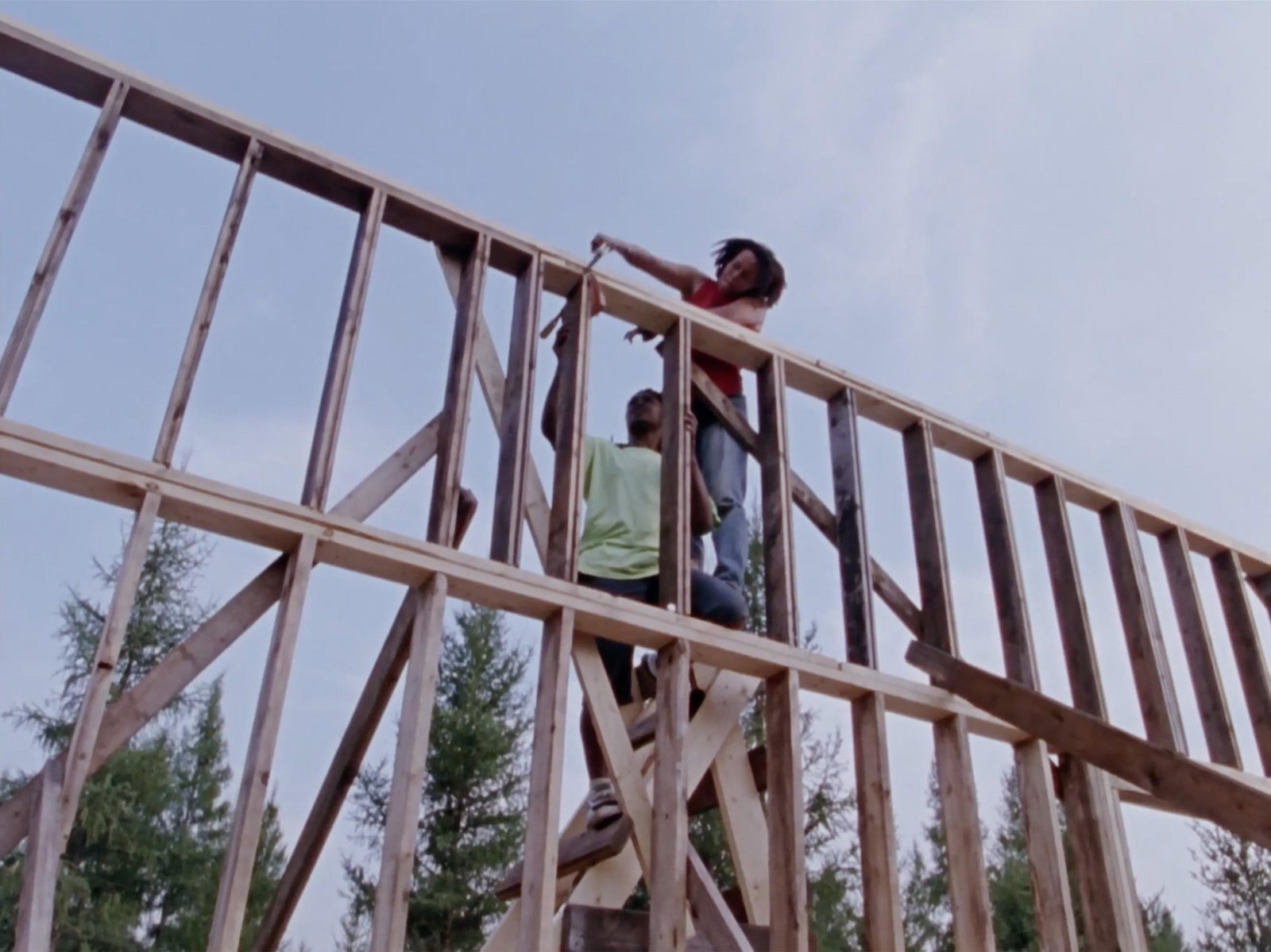
The performance space designed by the artist duo repertoire extends that question. Rather than treating live work as supplementary programming, it builds activation and change into the exhibition’s architecture. The gallery is not a sealed container; it is a structure that can be revised by bodies, voices and time.
What emerges is less a definition of Black feminist materiality than a method for attending to it. The exhibition’s strength lies in refusing a definitive vocabulary. Its objects do not resolve the world into a stable taxonomy. They show, more productively, how every taxonomy remains provisional.
Editorial note: This critical text is based on the published curatorial framework and exhibition information. It does not claim unverified conversations or quotations.